Buenos Aires, beyond the sights
Buenos Aires rewards travelers who slow down. Spend your time in the neighborhoods, not only at the monuments: dance or watch a real milonga, walk San Telmo on a Sunday, eat late like a local and let someone who knows the streets show you around. Start with the guides below.


Handpicked experiences
✦ Handpicked experiences · Photography
Buenos Aires Photo Walk with Israel Machado
Israel Machado is a professional photographer with 12 years of experience who leads a 45-minute guided photo walk through photogenic Buenos Aires neighborhoods such as San Telmo, Recoleta, Palermo or Puerto Madero. You get professional portraits and candid moments, with natural posing guidance. It suits solo travelers and friends. Book through his Airbnb listing.
- 45 minutes
- San Telmo, Recoleta, Palermo, Puerto Madero
- Solo travelers, Friends traveling together
Buenos Aires is a city of 48 barrios (official neighborhoods), and each one feels different. The postcard sights are worth seeing, but the reason people fall for this city is everything around them: a cafe that has not changed in decades, a neighborhood club where couples dance tango after dinner, a Sunday fair that takes over a whole street.
NotJustSights picks the experiences that make a trip to Buenos Aires memorable and explains them honestly, with practical details and no paid placements. We list an experience only after we have checked who runs it and what it includes. Our editors' own favorite cafes, restaurants and bars, collected on trips in 2020, 2022 and 2023, are grouped into the guides below.
Guides
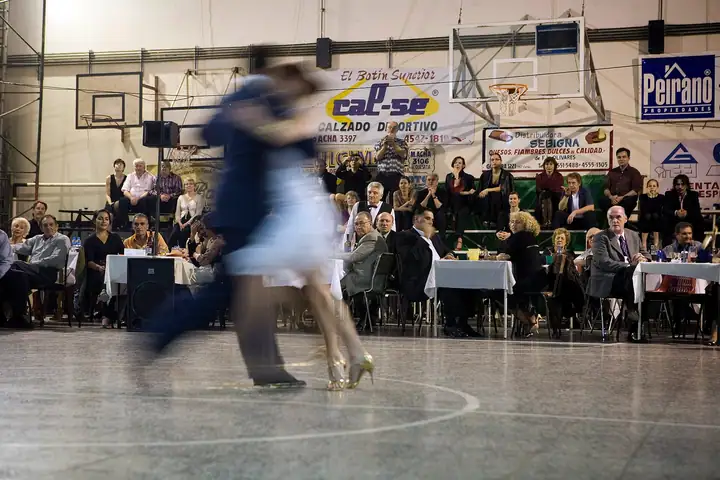
Unique things to do in Buenos Aires that go beyond the sights
Unique things to do in Buenos Aires: dance at a real milonga, spend Sunday at the San Telmo fair, book a private photo walk and more, picked by editors.
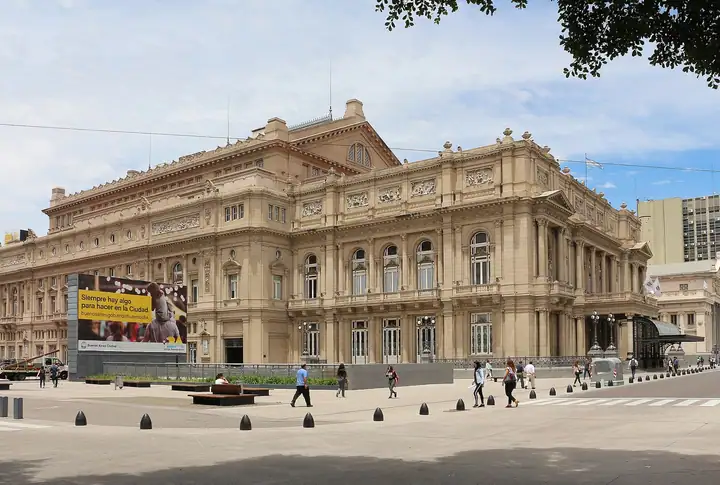
Buenos Aires for first-time visitors: what to know and what to do
Visiting Buenos Aires for the first time? Where to stay, how to get around, money, safety, eating times and the best experiences for a first trip.
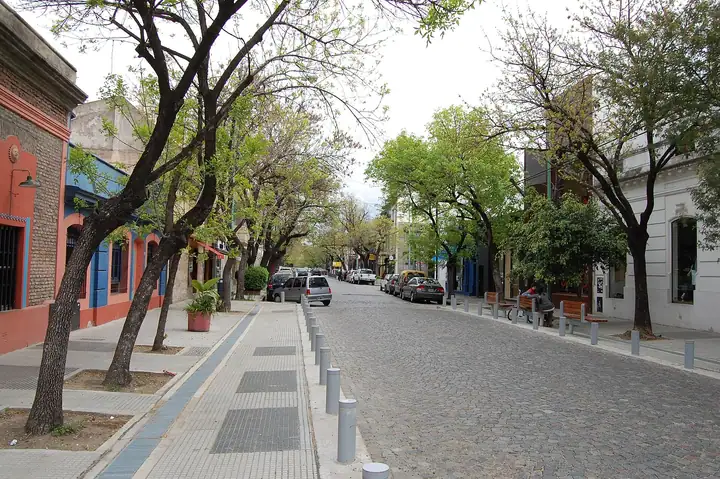
Things to do alone in Buenos Aires
What to do alone in Buenos Aires: cafes made for solo afternoons, beginner tango classes, walking routes, day trips and a photo walk so you get pictures of you.
Neighborhoods at a glance
- San Telmo
- The oldest barrio: cobblestones, antiques, the Sunday fair on Calle Defensa and tango in Plaza Dorrego.
- Palermo
- The biggest barrio: parks and the rose garden, plus the cafes, shops and restaurants of Palermo Soho and Palermo Hollywood.
- Recoleta
- Grand old apartment blocks, the Recoleta Cemetery and the city's main art museums.
- La Boca
- Caminito's painted houses and La Bombonera, Boca Juniors' stadium. Best in daylight.
- Puerto Madero
- The redeveloped docks, the Puente de la Mujer and the green Costanera Sur reserve next door.
- Monserrat and the Microcentro
- Plaza de Mayo, the Casa Rosada, Avenida de Mayo's old cafes and the Teatro Colón a few blocks away.
Frequently asked questions
What is Buenos Aires best known for?
Tango, steak and late nights. Buenos Aires is the capital of Argentina, on the Río de la Plata, and is known for its European-style architecture, neighborhood cafes, parrillas (grill restaurants), football rivalries and a social life that starts around 10 pm.
How many days do you need in Buenos Aires?
Four to five full days covers the main neighborhoods without rushing: one each for San Telmo and the center, Recoleta, Palermo and La Boca with Puerto Madero, plus an evening at a milonga. Add a day for a trip to the Tigre delta or Colonia del Sacramento in Uruguay.
Which neighborhood should I stay in?
Most first-time visitors stay in Palermo or Recoleta. Both are walkable, full of places to eat and well connected by subway and bus. San Telmo suits travelers who want old-city character and do not mind a quieter, rougher edge at night.
Where should I eat in Buenos Aires?
For a classic parrilla, try La Cabrera in Palermo. For porteño pizza, go to El Cuartito or Las Cuartetas in the center. For a special night, book Casa Cavia, Mishiguene or the tasting menu at Aramburu. Dinner starts late, usually after 9 pm.
When is the best time to visit Buenos Aires?
Spring (September to November) and autumn (March to May) are the most comfortable. Summer, December to February, is hot and humid, and many locals leave the city in January. In late spring the jacaranda trees turn whole avenues purple.